How To Connect With Nature While Living In A City
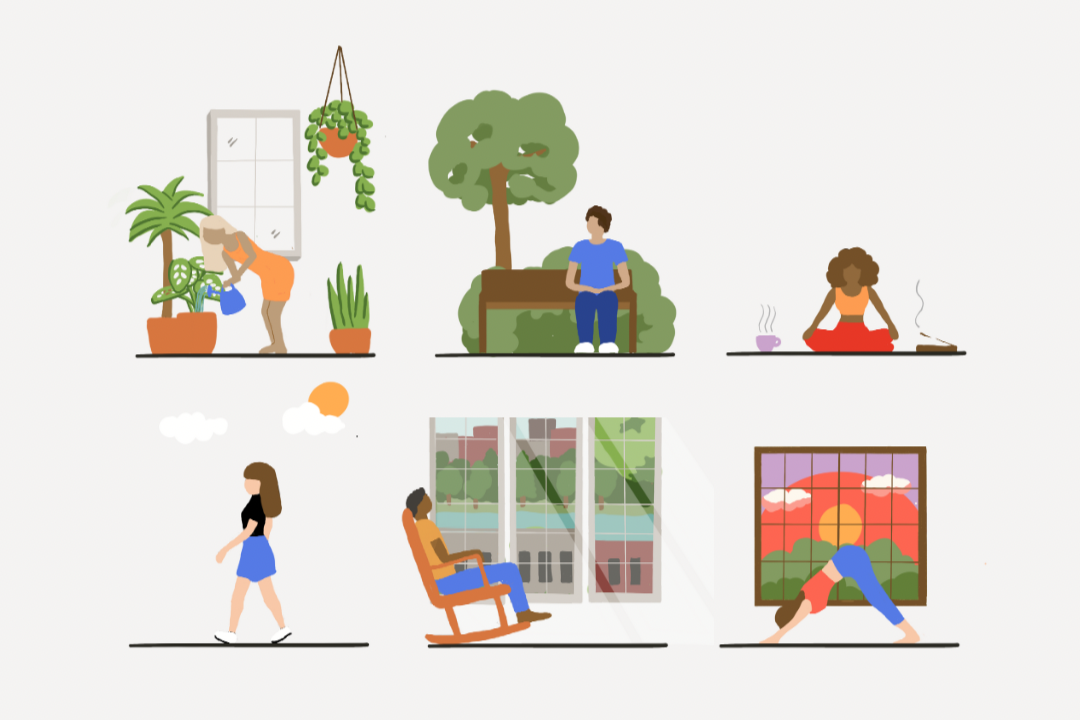
More than half of the world’s population lives in a city. Within urban environments, we are constantly surrounded by stores selling us the idea that more is better, seeing unrealistic advertisements, and absorbing continuous noise that comes with city living. We, humans, get caught up in a fast-paced life and move so quickly that many have forgotten what it feels like to slow down.
How can half of us live in such a distracting environment and still stay calm and grounded?
The truth is: it’s hard.
In chaotic and loud city environments, many of us tend to live in auto-pilot or, to name it by its scientific name, the sympathetic nervous system state. It’s the “fight or flight” state, the mode we stay in when we are feeling anxious, are constantly moving from one thing to the next, and are letting our thoughts repeatedly talk to us and drive our actions. Many of us don’t even realize we're living like this. Or, we may know we are living like this, but we get used to it. It can feel safer if it's all we've known our whole lives.
I’m not talking about those who have to work and move quickly every day to survive and make a living; being in fight or flight mode is necessary in occasional circumstances. However, many of us who don’t need to be in that state still are and have been for many years, simply because we don't know any better. And I was no exception to this.
Once I graduated from college and started working at my first corporate job in Houston, I found myself constantly striving for external validation and putting more value on society’s idea of success than my own. I was constantly comparing myself to others, becoming easily agitated, and trying to control every aspect of my life out of fear of the unknown. After only one year of living in a city, I knew I needed a change.
I tried lots of things to try to feel connected to myself again, such as therapy, investing in a new hobby, and travelling more on the weekends. But none were as sustainable as one activity that I found myself consistently going back to in order to restore my energy: daily walks in my favorite park.
Those quiet walks with myself, my tea, and the trees were the only thing that gave me the true calmness and the space to breathe that I had needed for years. After consistently getting outside for my walks every day, I started to feel better. I started remembering how, throughout my life, trips out to nature were the consistent thing to spark beauty for life back into me again.
The one thing I was missing within the city was nature.
We fundamentally need nature as humans. We, ourselves, are a part of nature and cannot live disconnected from it. It increases our life longevity, reduces stress, benefits our overall health, and calms us down into the parasympathetic nervous system, the opposite state of the sympathetic nervous system (and the relaxed state that we actually should be living in most of the time).
But how can half of the world's population, who live in an urban area, easily access nature?
As a trained urban and landscape designer, I've found in my years of research that nature is often last on the priority list for urban designers. They don’t utilize trees, planting, and natural elements within their streetscapes because they are mostly concerned about functionality and efficiency. There is easy transportation within the city but not out of it, making it hard for many citygoers to dedicate the time and resources to go out into nature during their busy weeks.
We can't change society's ideals in one day.
We can't change other people and how they treat us.
We can't change cities overnight.
But we can change how we choose to live our lives within them.
What we have control over is our mindset, our lifestyle, our surroundings, and our daily habits. And by far the most influential and quickest way to become more connected to ourselves and with reality is to get in touch with nature.
And if you're one of these citygoers, I've put together 7 simple ways for you to incorporate more nature into your city life.
And don't worry, these small ideas won’t ask you to move out of your beloved city, spend tons of money, or quit your day job to go hiking through Europe for months. These are all practical, fun, and easy ideas for you to incorporate into your daily life, starting with the easiest and ending with ones that may require a bit more work or financial investment.
Reminder: Living closer to nature doesn’t always mean getting outside. We, ourselves, are nature; thus, when we connect with our inner world, we connect with our exterior world. Getting outside is simply a shortcut to that connection.

1. Walk More
Yes, it's so simple, but the best things in life are that simple. Just by walking outside, moving our legs, feeling the fresh wind on our faces, and smelling the fresh air around us, we immediately relax. Not only does walking increase our exercise, endorphins, and overall health quality, but it's a form of meditation, or as people call it, “walking meditation.” Whether or not we are in nature or in the city streets, walking can quiet our minds, get us out of our heads, and help us become more present.
Some ideas for how to walk more are:
Make time to walk to work instead of taking the metro
Go for a morning or evening walk
Walk with a friend instead of going out to eat, getting a coffee, or a warm drink to carry with you
Walk to the store instead, and invest in a wagon to carry your groceries home (it’s actually the best thing in the world)
2. Visit parks regularly
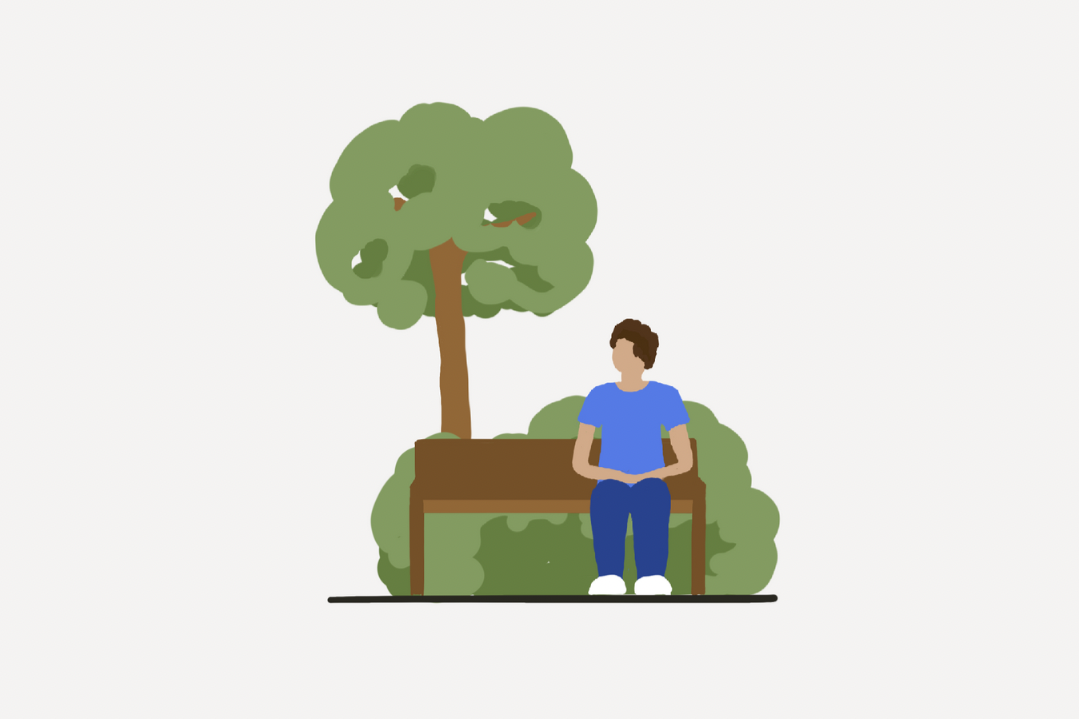
WParks are literally free nature shortcuts in the city. All it takes is a quick Google search of parks closest to you in your area to find out all the free restorative rest stops you already have at your disposal. Sure, some cities have more green spaces than others, but all you really need is a tree, a comfy place to sit underneath its shade (maybe on a bench or blanket), and a nice view to get your nature fix.
Here are some ideas for what you can do at a park:
Have a picnic
Read a book
Do art (paint, sketch, watercolor, collage, etc.)
Go on a date with a friend/partner
Meditate
Simply people watch (or bird watch!)
3. Wake up earlier
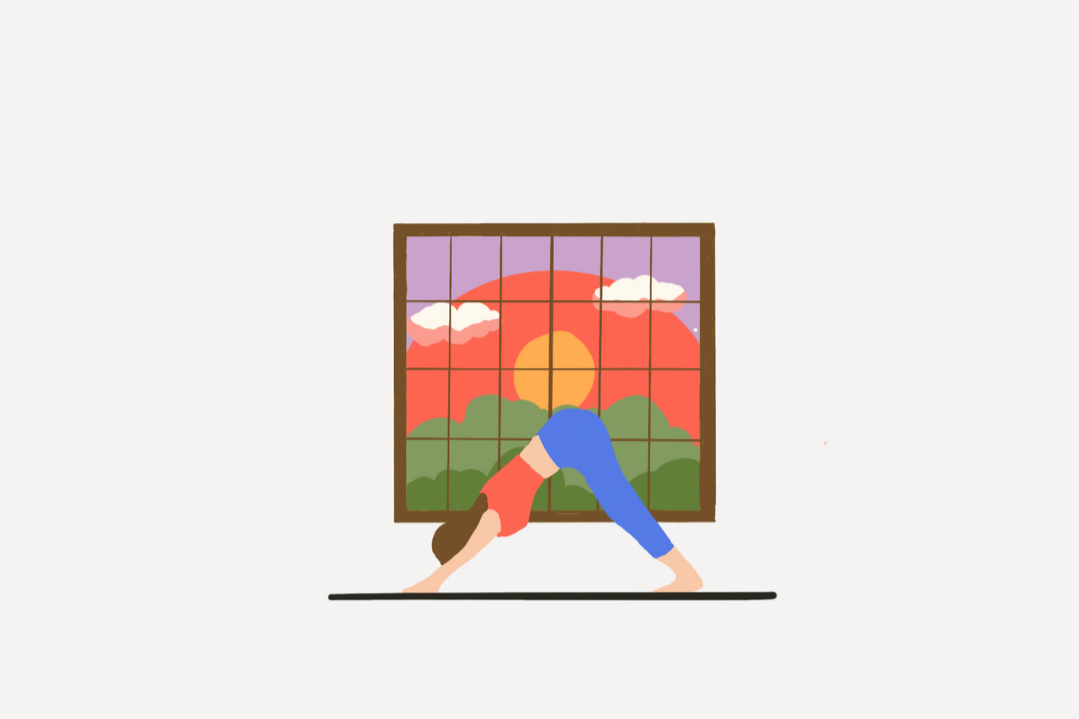
I personally love the mornings in the city because most of the people are still asleep. It's quiet, calm, and the perfect opportunity for a moment of peace before the busy day starts. If you struggle to relax when there is a lot of noise and distractions around you, mornings are a perfect time for you to connect with yourself or get outside. Not only can I think more clearly during the quiet mornings, but if I do my yoga, meditation, and journaling practices in the morning rather than the evening, I make sure I get them in each day rather than leave the circumstances of the day to determine if there is time for them later on.
A few ideas for what you can do in the mornings:
Watch the sunrise
Exercise
Journal (my personal favorite)
Yoga and/or meditation (which leads me to my next point)
4. Meditate
From my experience, I see that many people don’t try meditation because they believe it is too big of an undertaking. They think that their mind has to be fully blank when they meditate, and when they inevitably get distracted, they think they’re “doing it wrong” and that they “aren’t just the meditating type of person.”
But meditation isn’t actually about perfecting your thoughts; it’s simply about observing your thoughts.
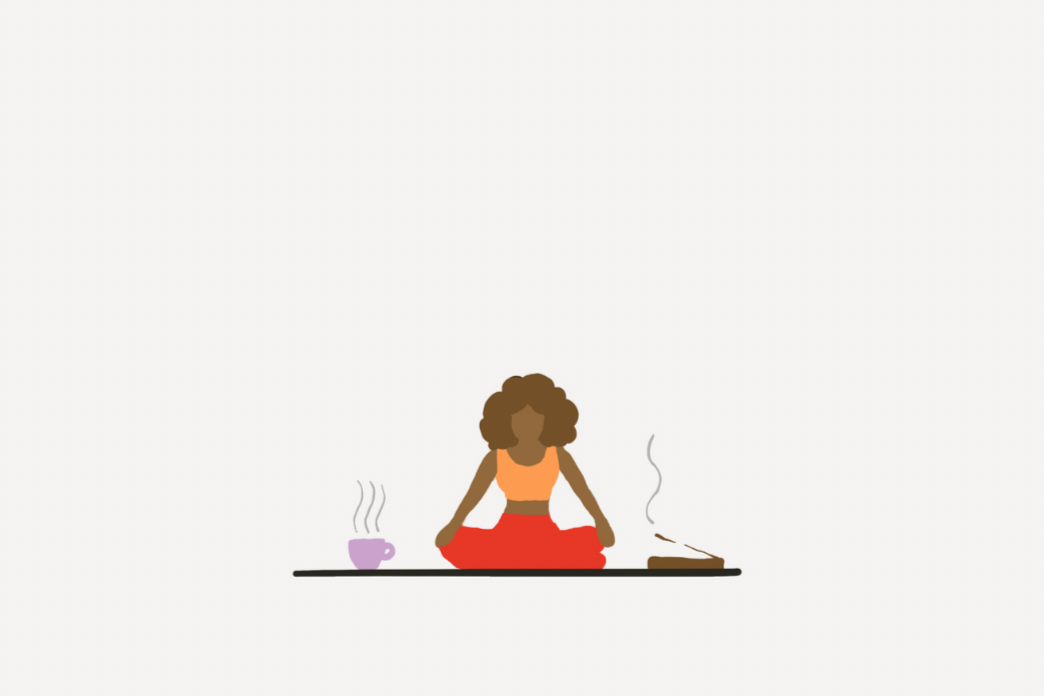
When I started to meditate, I didn’t find it helpful at all. But that’s because I was judging myself the entire time. I was judgmental about the thoughts I had, the fact that I was getting distracted so easily, and the fact that I wasn’t progressing. But once I eventually considered that my inner meditation world didn't have to be a judgmental zone and that it could be a safe space for me to come to at any time during the day, I found it quite comforting. All I had to do was close my eyes, take some long, deep breaths, and recognize when I drifted off in thought. That tiny moment of realization is the true teaching of meditation: awareness.
Meditation teaches us to step back from our autopilot state and just observe. This moment of observation carries with us throughout our day; when things out of our control happen to us, we don't need to be swayed by them as we normally would. We can just observe the situation and decide how to react. Now, I can’t wait to sit down and nestle into my cocoon of meditation every morning.
When you meditate next, try thinking through this mantra every time you realize your mind has drifted off in thought:
“Ok, I was just thinking about ___, and that must mean I'm concerned about ____. Thank you, thought, for your help. Thank you for trying to protect me. Your concern is noted, and I will deal with it later during my allocated problem-solving time.”
You can even go further and say to your inner world:
“Instead of focusing on my thoughts, what is my body feeling at this moment? What is my soul feeling right now?”
If you want more ideas about meditation, I highly recommend reading about the Dalai Lama’s meditation practices.
5. Add plants to your home
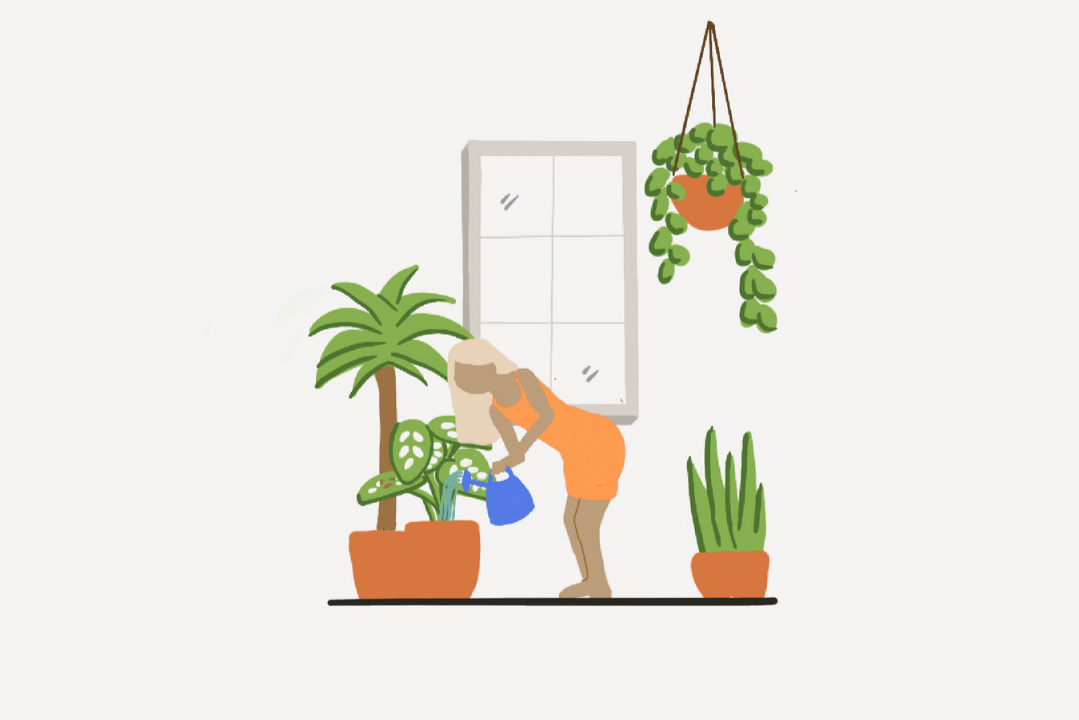
Houseplants are a quick and cheap-ish way to bring some nature into your immediate surroundings. There are countless benefits to having houseplants in your home, including better air quality, reduced stress, and even better illness and disease recovery. According to a 2002 study, people recovering from several kinds of surgery needed less pain medication and had shorter hospital stays than people who weren’t surrounded by greenery during their recuperation periods, which is fascinating to me. I also believe that real plants are always better than fake plants, as they teach us to care for others, commitment, and patience.
Some easy plants to buy for your house if you’re a beginner are:
Snake plant
Bird of paradise
Monstera
Cacti
Pothos
ZZ plant
6. Spend a full day in nature once a month
This is actually a piece of advice that I found from the Nutrition School. It’s true that spending only micro-moments during the day connecting with nature can help our well-being immensely. However, when we spend hours and hours out in nature, disconnected in silence, we can really reset. We reset in ways that we didn’t even know we needed. And all it takes is planning one day where you rent a car, take the train, or however you'd like to do it, and get out in nature, at least once per month.
Here are some day-trip ideas:
Go for a hike in the mountains
Swim in a body of water
Bike long-distance and pack some lunch to eat halfway
Bring a blanket and an activity, lay on some grass, and simply take in some sun
7. Choose your apartment/home wisely
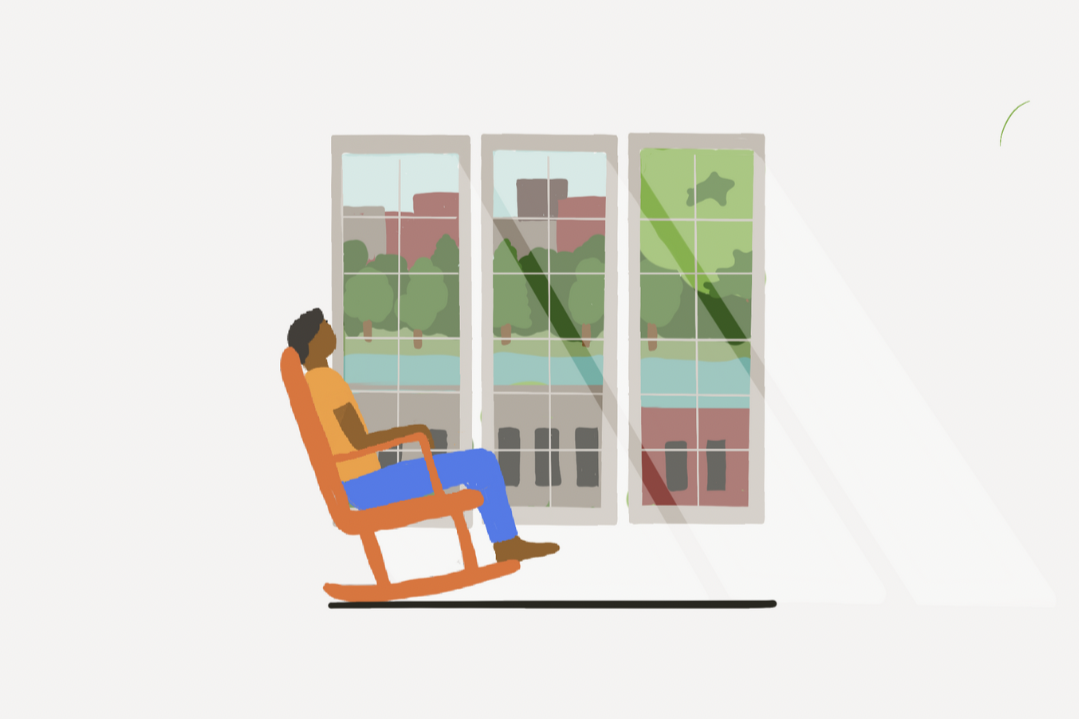
This is the last and most challenging idea to inherit from the rest. Our immediate surroundings are the biggest factor in determining our mental and emotional state of being. There is so much research being done on how the design of our homes, workplaces, streets, partners, friends, and communities affects our well-being. If you’re in a situation where you can afford to choose an apartment or home with as much connection to nature as possible, you’ll have an easier time connecting to your inner nature.
That being said, here are some things to look for when choosing a place to live in the city:
Natural light (south-facing light will get the most direct sun)
Large windows
Tall ceilings
Balconies
Terraces (this is a game changer for me)
Views of nature
Quiet neighborhood
In conclusion, there are many ways that you and every citygoer can start living more in tune with nature, even if your city has no easily accessible nature at all.
Whether these changes are just tiny adjustments to your morning routine or big life changes like choosing a new apartment, we have the power to build the physical environments, activities, and inner mindsets that let us live our best lives. When we are more connected with our inner world, we are more connected with our outer world, and vice versa. How we find that connection is up to each of us to create for ourselves.
Your heart is still the same in both a city and on top of a mountain. All that changes is just how easily we can hear it and how much we choose to listen to it.